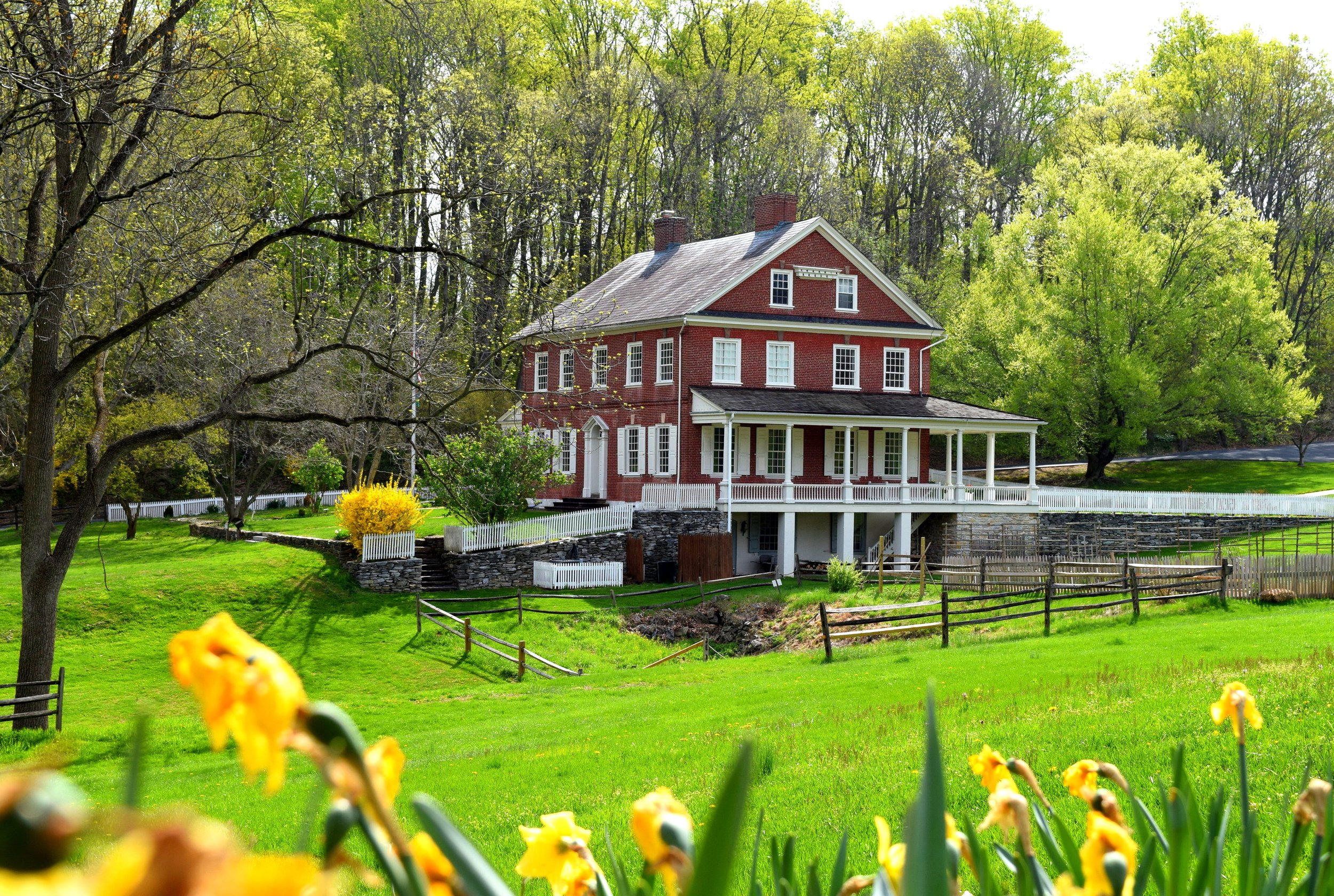
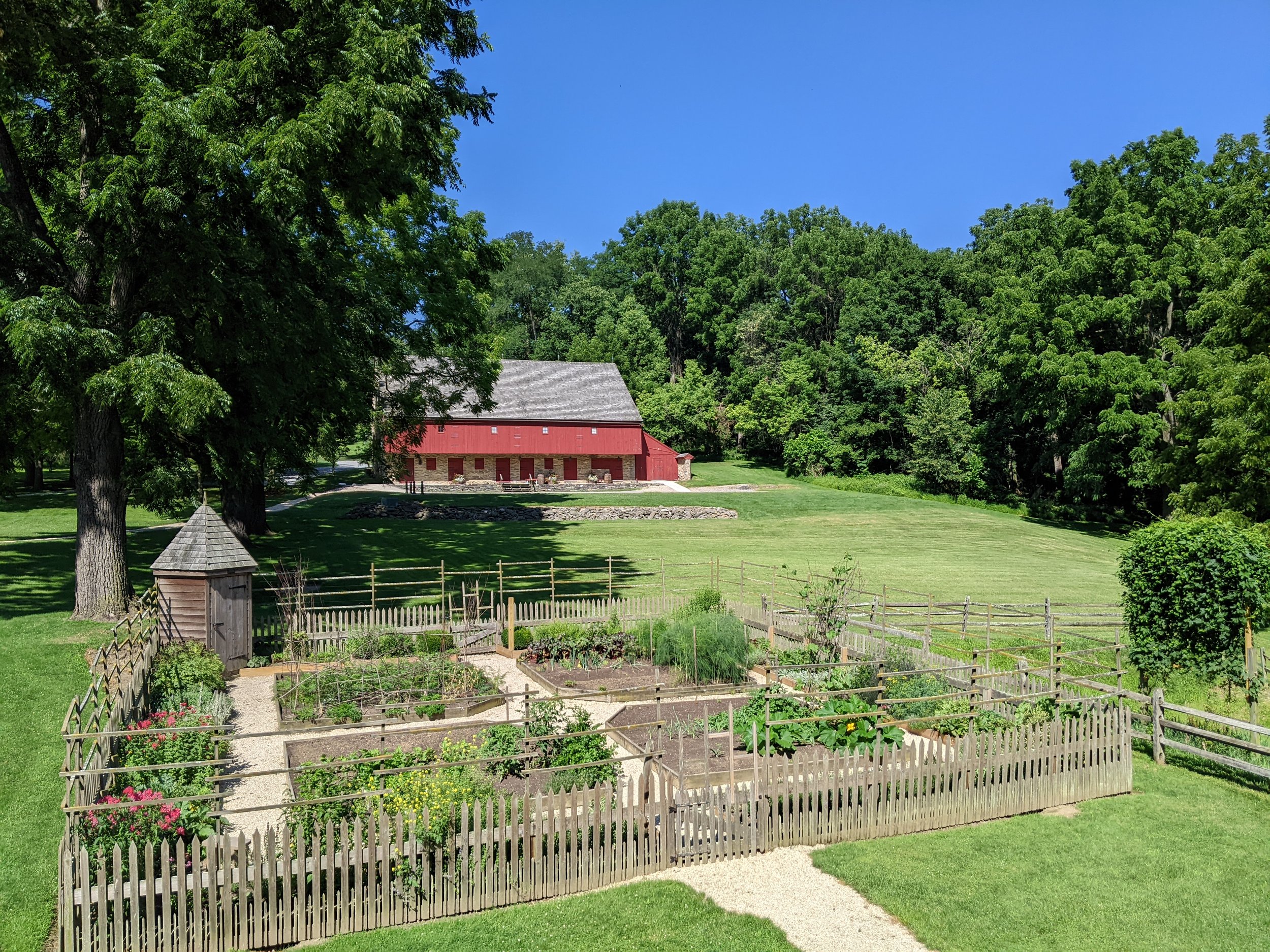
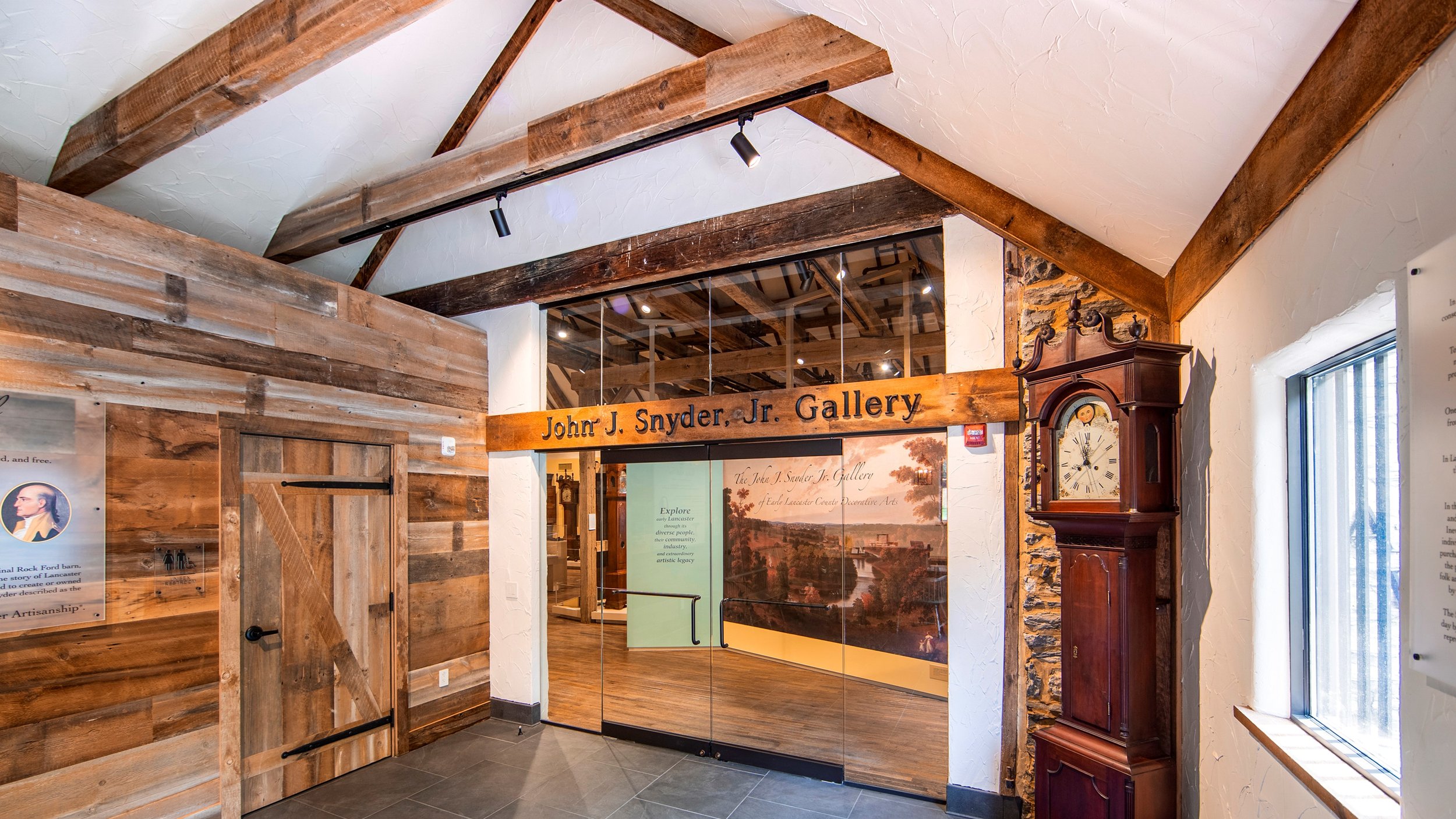
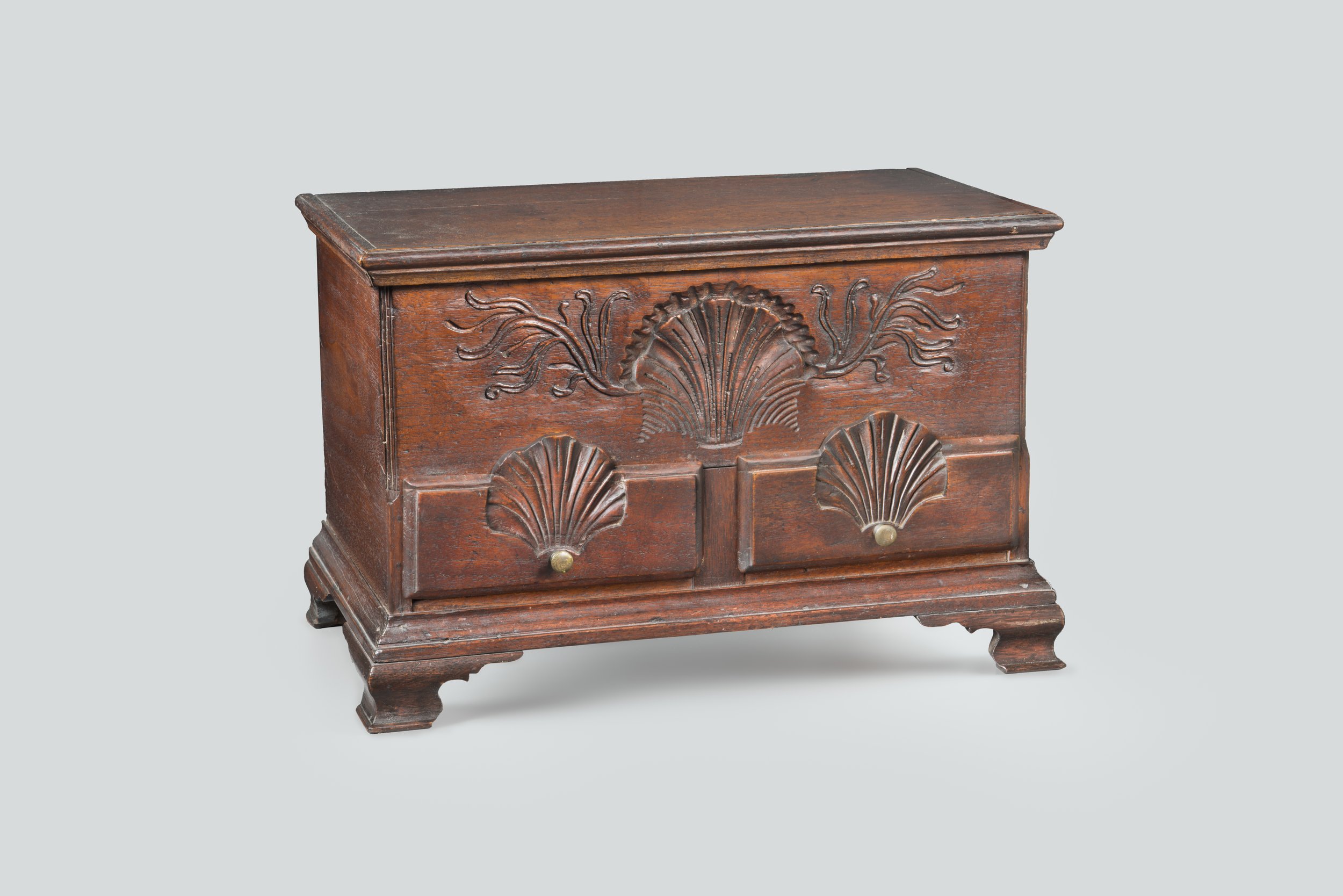
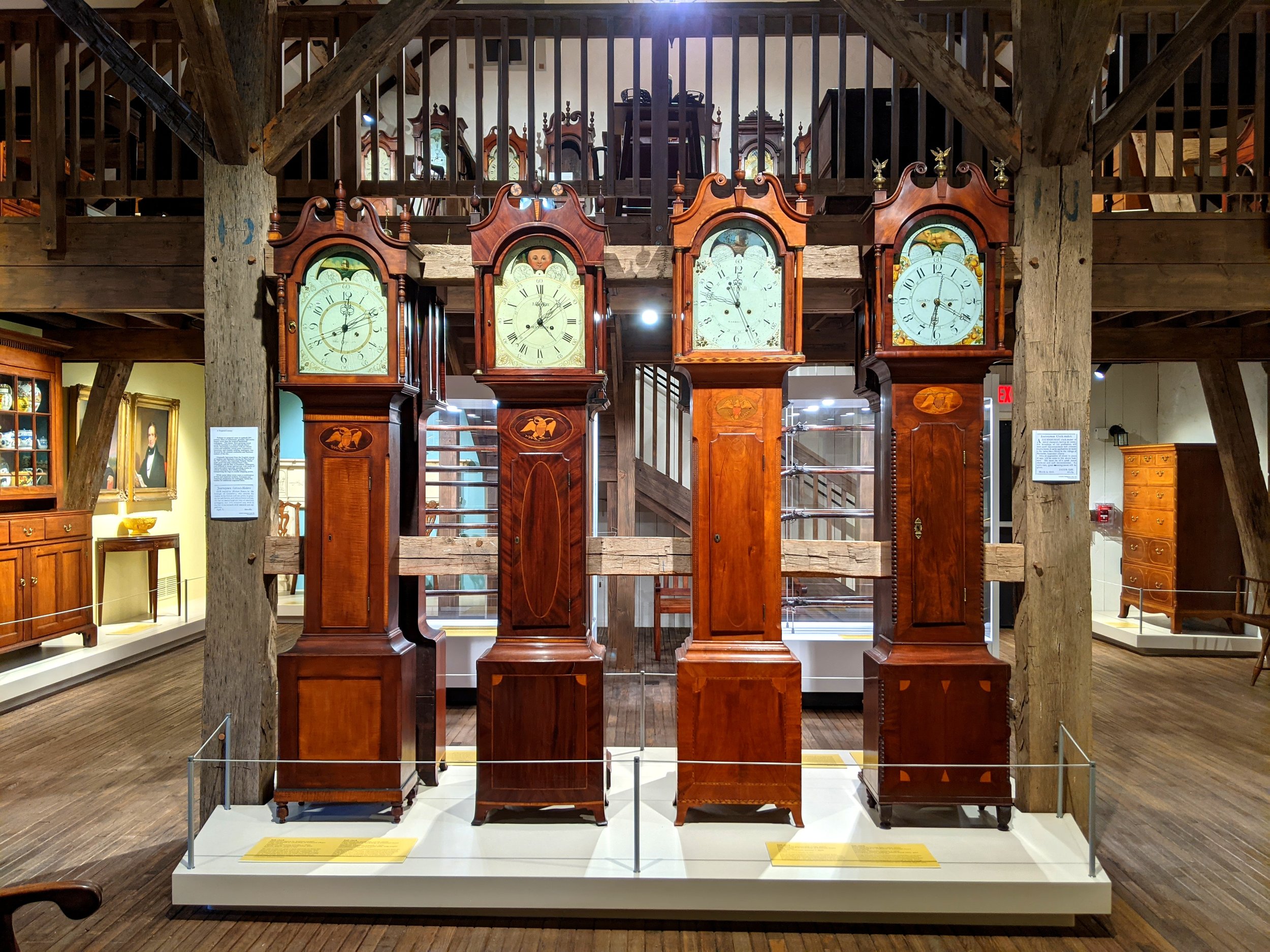
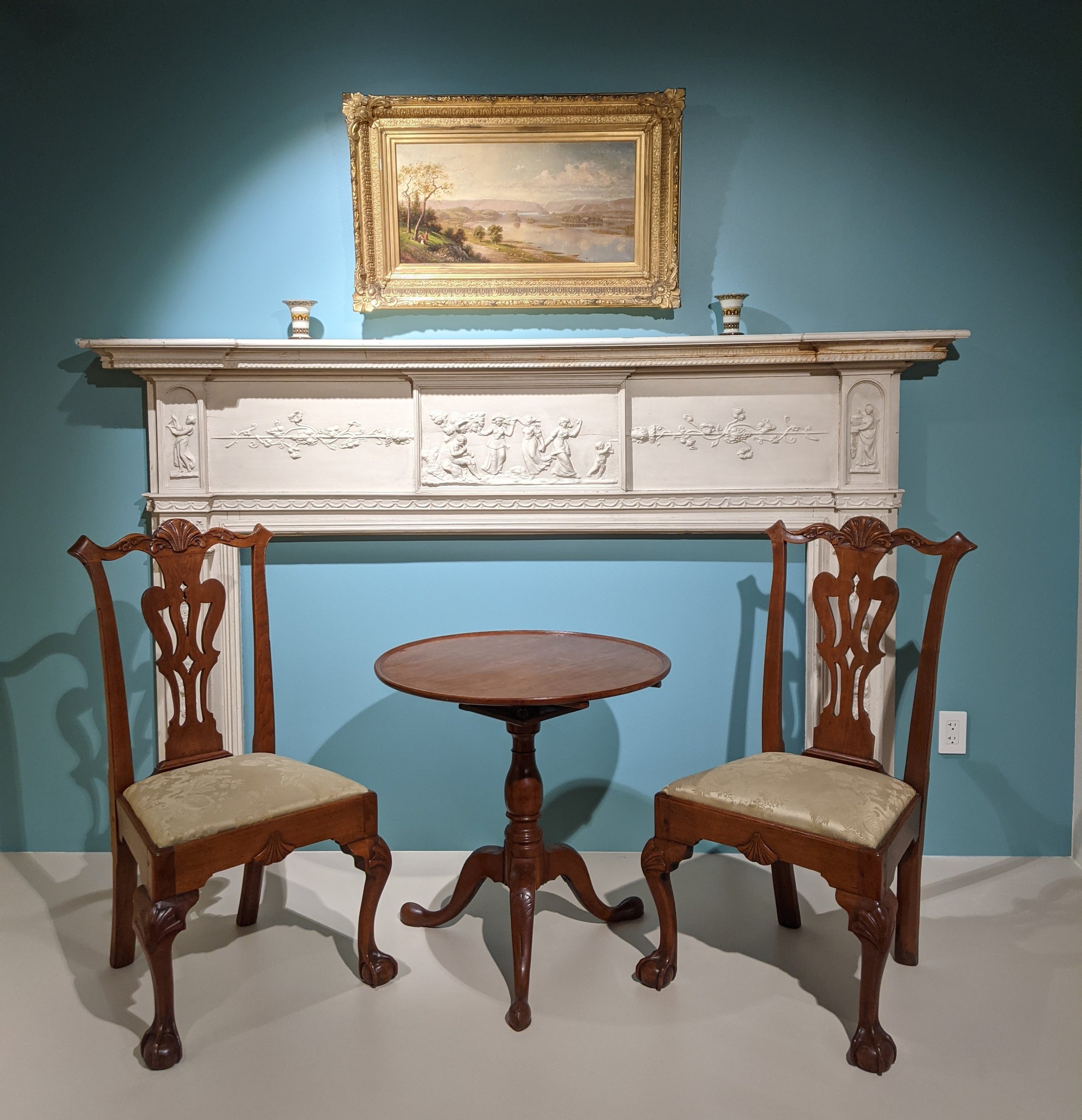
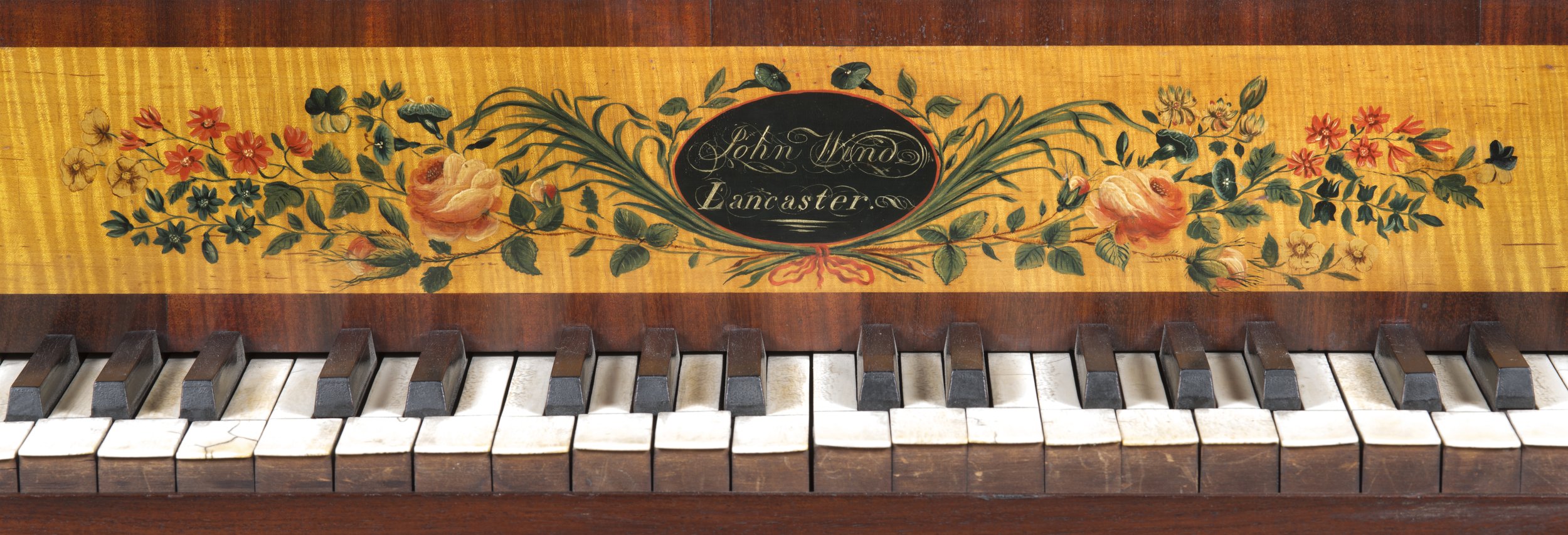
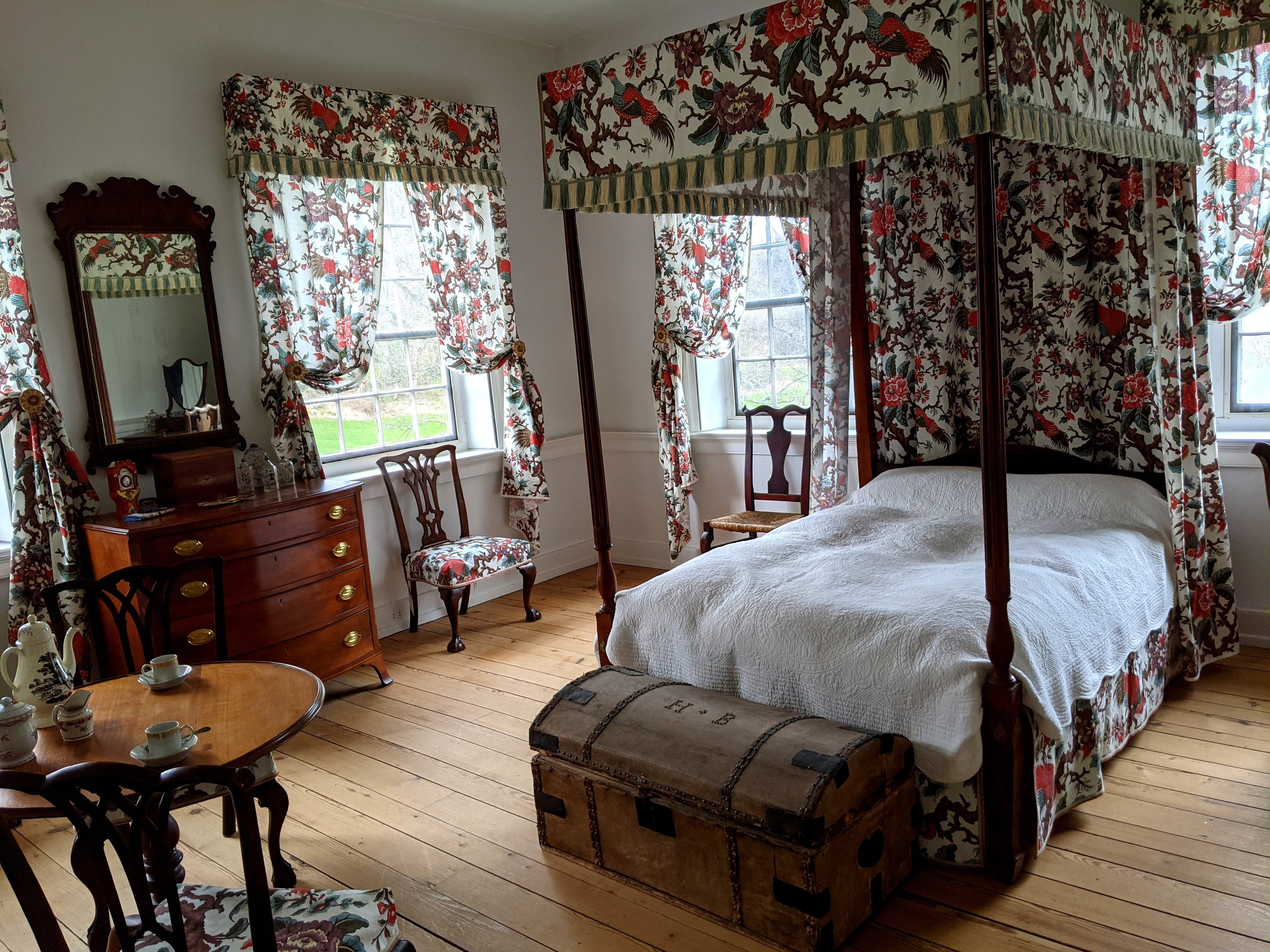
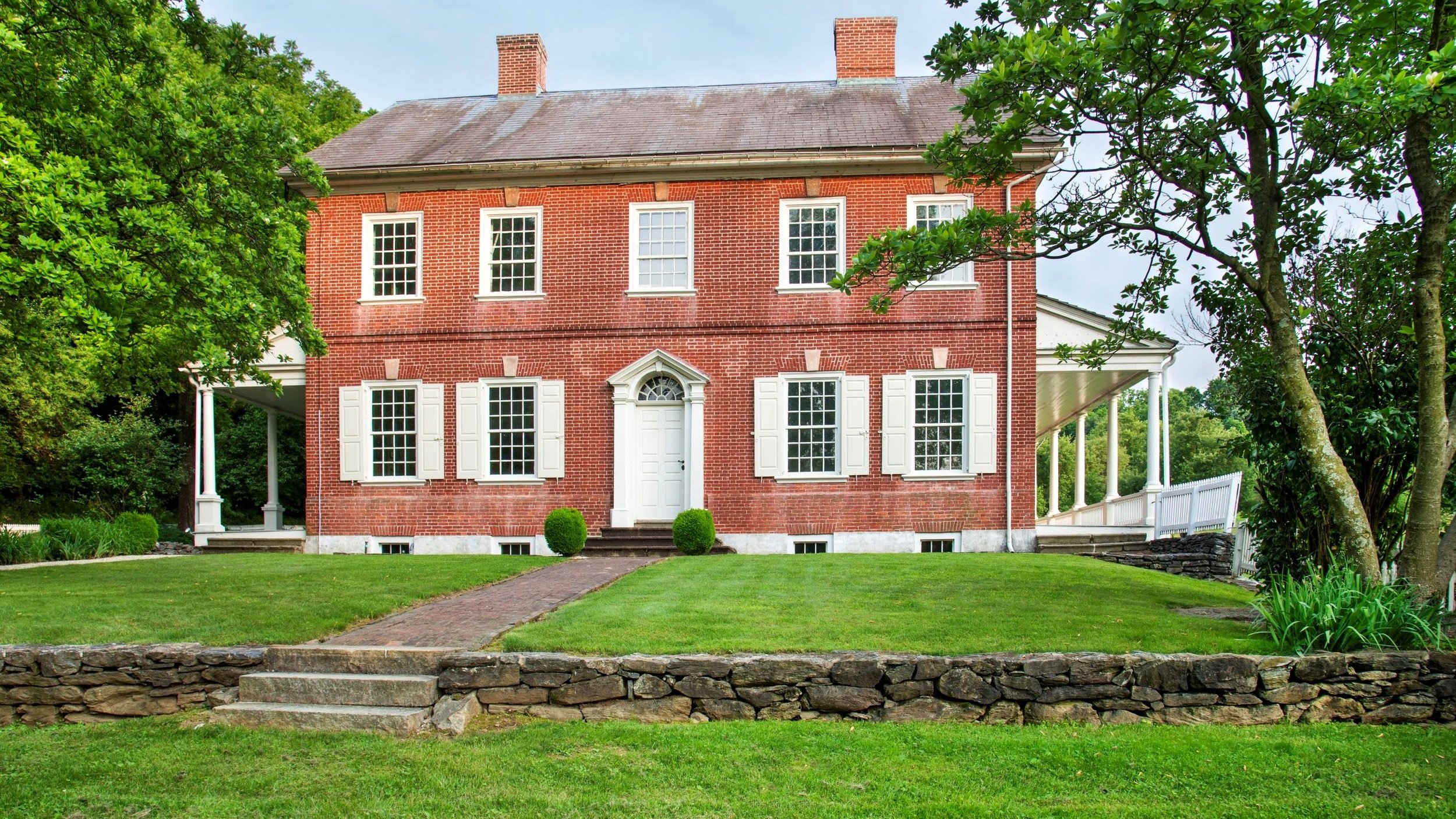
Historic Rock Ford, featuring the circa 1794 General Edward Hand Mansion and the John J. Snyder, Jr. Gallery of Early Lancaster County Decorative Arts, is situated on thirty-three acres of gardens, woods and grounds surrounded by Lancaster County Central Park located in the southeast corner of Lancaster City. This remarkable estate offers visitors the opportunity to encounter the outstanding original late-Georgian style architecture of the Hand Mansion, to experience its rooms furnished in exquisite period style while, in the Snyder Gallery, to explore a nationally recognized collection of Lancaster County decorative arts dating from circa 1760 to 1820 including furniture, portraiture, long rifles, tall case clocks, silver, and much more.
In addition to viewing architecture and rare artifacts, visitors will learn about the diverse and complex life of 18th Century Lancaster. In guided tours of the Mansion, they will hear about Edward Hand’s early medical career followed by his distinguished service as Adjutant General to George Washington during the American Revolution as well as his business and political career during the years he resided at Rock Ford. Not only will they learn about the Hand family but, also, the tenants, servants, and laborers enslaved, indentured and free who lived and labored at Rock Ford. While exploring Rock Ford’s historic buildings, period kitchen garden and leafy paths, visitors will be able to immerse themselves in a place that, while it has existed for over two centuries, continues to emit echoes in our contemporary world. We look forward to your visit.
Lead Sponsor
Daniel B. Strickler, Jr. & Ellen B. Strickler
Sponsors
Mr. Thomas G. Englert
The Pennsylvania Historical and Museum Commission
John F. Pyfer, Jr. & Carol T. Pyfer
Supporting Sponsors
Fulton Bank and Fulton Financial Advisors
The H&H Group
Georgina T. & Thomas A. Russo Family Fund
Paul W. & Judy S. Ware




Historic Rock Ford would like to thank Rubio’s Tree Service & Landscaping for sponsoring our 2024 Focus Exhibit.

Rock Ford, an Educational Improvement Organization, sincerely thanks The Restaurant Store, UGI, and Fulton Forward for their generous support of
our school programming.



